Classic Mashed Potatoes with Herb Butter – Comforting, Creamy, and Simple
Mashed potatoes are the kind of side dish that makes a meal feel complete. They’re cozy, creamy, and easy to love, whether you’re serving roast chicken or a weeknight steak. This version keeps things classic—fluffy potatoes, warm milk, and plenty of butter—then lifts the flavor with a fresh, fragrant herb butter.
It’s the kind of dish that feels special without being fussy. If you want a sure win for the table, this is it.
What Makes This Recipe So Good
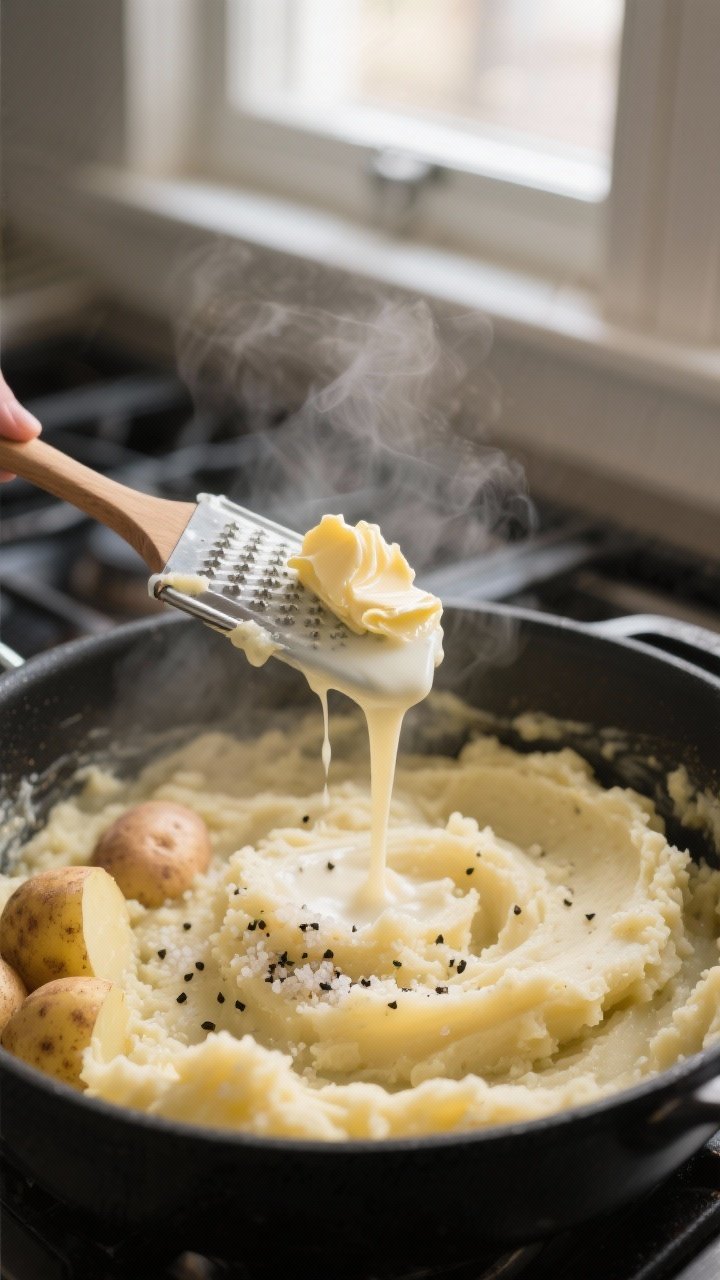
There’s a sweet spot between rich and light, and these mashed potatoes hit it. The texture is smooth and velvety, but not gluey or heavy.
The herb butter melts into the mash and brings gentle brightness without overpowering the potato flavor. The method is simple and reliable, and you don’t need fancy tools. Best of all, it’s easy to scale for a crowd or keep small for a cozy dinner.
Shopping List
- Russet or Yukon Gold potatoes (3 pounds)
- Unsalted butter (8 tablespoons for the mash, plus more for herb butter)
- Whole milk (3/4 to 1 cup), or half-and-half for extra richness
- Fresh herbs (2–3 tablespoons total): parsley, chives, thyme, and/or dill
- Garlic (1–2 small cloves), optional
- Kosher salt
- Black pepper
- Olive oil (1 teaspoon, optional, for herb butter)
- Flaky salt, optional, for finishing
How to Make It
- Prep the potatoes: Peel the potatoes and cut them into even chunks, about 1.5-inch pieces.
Rinse quickly under cold water to remove surface starch.
- Start in cold water: Place the potatoes in a large pot, cover with cold water by 1–2 inches, and add 1 tablespoon of kosher salt. Starting cold helps them cook evenly.
- Simmer gently: Bring to a simmer over medium heat. Cook until the potatoes are very tender and easily pierced with a knife, about 15–20 minutes after simmering begins.
- Warm the dairy: In a small saucepan, gently heat the milk with 4 tablespoons of butter until warm and steamy, not boiling.
Warm dairy blends more smoothly and keeps the mash fluffy.
- Drain and dry: Drain the potatoes well. Return them to the hot pot and set over low heat for 1–2 minutes, stirring, to evaporate extra moisture. Dry potatoes make silkier mash.
- Mash the potatoes: Use a potato masher or ricer to mash until smooth.
Avoid using a blender or food processor—they can turn potatoes gluey.
- Add dairy gradually: Pour in half the warm milk-butter mixture and fold it in. Add more as needed to reach your ideal texture. Season with 1–1.5 teaspoons kosher salt and several grinds of black pepper.
- Finish with more butter: Stir in the remaining 4 tablespoons butter for a glossy, rich finish.
Taste and adjust salt and pepper.
- Make the herb butter: Finely chop your herbs. Mix with 3–4 tablespoons softened butter, a pinch of salt, a small grated garlic clove (optional), and a few drops of olive oil. The oil helps the herbs bloom.
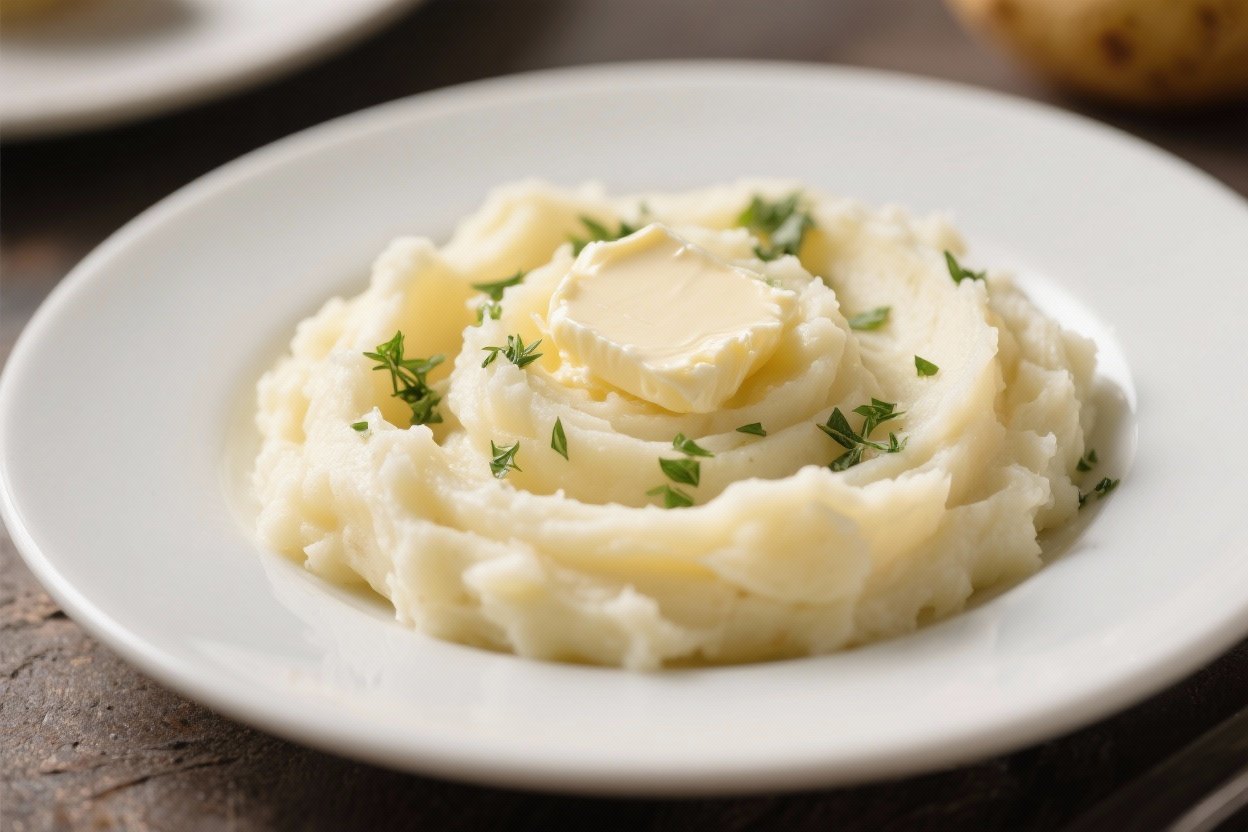
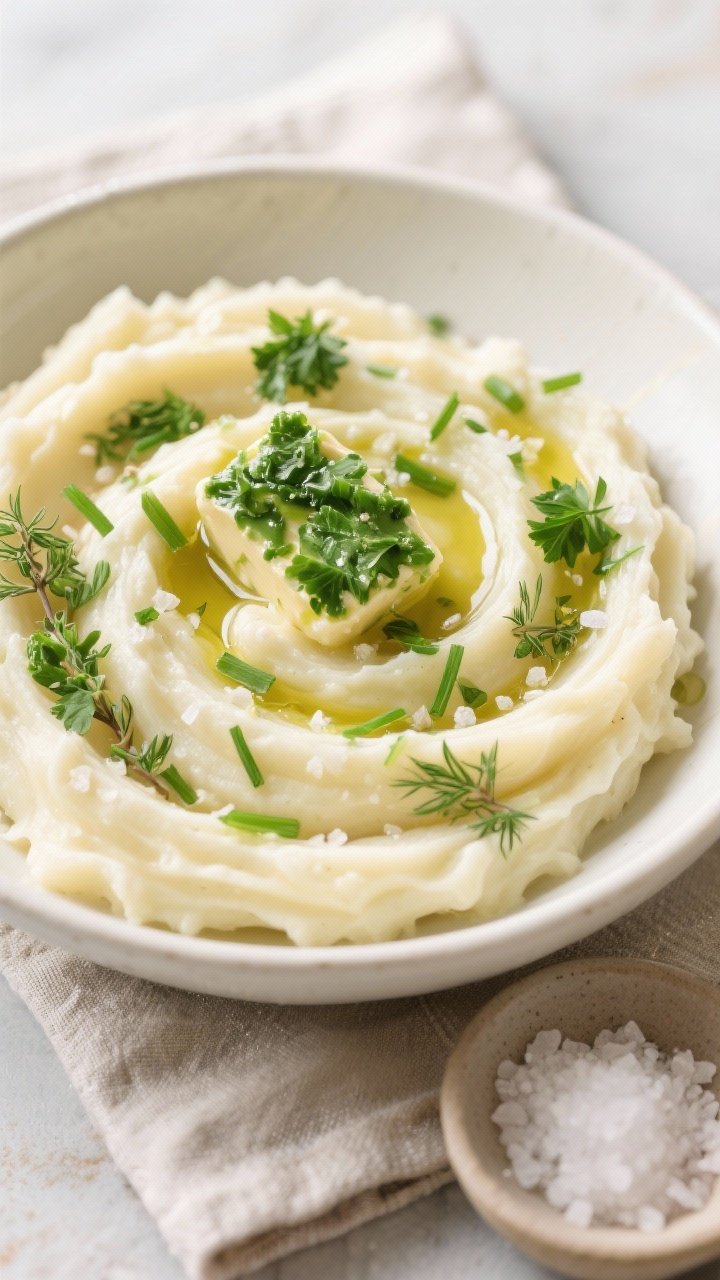
- Serve: Spoon the potatoes into a warm bowl.
Dollop the herb butter on top so it melts into green streaks. Finish with flaky salt and extra chives if you like.
Keeping It Fresh
Mashed potatoes keep well if you manage moisture and temperature. Store leftovers in an airtight container in the fridge for up to 3 days.
To reheat, warm gently on the stovetop or in the microwave with a splash of milk and a pat of butter, stirring until smooth. For make-ahead, prepare the mash up to 2 days in advance and reheat in a covered baking dish at 325°F until hot, then stir in fresh herb butter before serving.
Why This is Good for You
Potatoes are more than comfort food. They offer potassium, vitamin C, and fiber (especially if you keep some peel on).
Using whole milk and butter gives satisfying richness, so a smaller portion feels complete. Fresh herbs add antioxidants and flavor without extra heaviness. If you want to lean lighter, you can swap part of the butter for olive oil and use low-fat milk—still creamy, still tasty.
Pitfalls to Watch Out For
- Gummy texture: Overworking or using a blender turns starch into glue.
Mash by hand or with a ricer and add dairy gently.
- Waterlogged potatoes: Not drying after draining can make the mash thin and dull. Always steam off excess moisture in the hot pot.
- Cold dairy: Cold milk and butter seize the starch and make lumps. Warm them first.
- Underseasoning: Potatoes need more salt than you think.
Salt the cooking water and taste as you go.
- Herbs turning dull: Add the herb butter at the end. Overheating can mute color and flavor.
Recipe Variations
- Extra-rich: Swap some milk for heavy cream and add a dollop of crème fraîche for tangy depth.
- Garlic lovers: Simmer whole garlic cloves with the potatoes, then mash them in. Or make roasted garlic butter for a sweeter flavor.
- Olive oil mash: Replace half the butter with good extra-virgin olive oil and use parsley and lemon zest in the herb mix.
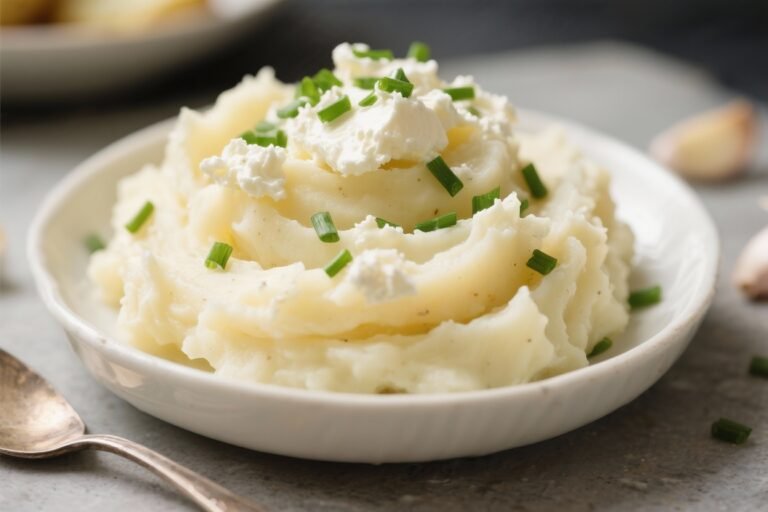
- Sour cream and chive: Fold in sour cream and a big handful of snipped chives.
Great with grilled meats.
- Brown butter sage: Brown the butter until nutty and stir in chopped sage. Drizzle over the finished potatoes.
- Parmesan twist: Add finely grated Parmesan and cracked black pepper for a savory edge.
- Skin-on rustic: Leave on half the potato skins for extra texture and nutrients. Yukon Golds work best here.
FAQ
Which potatoes are best for mashing?
Russet potatoes give the fluffiest mash, while Yukon Golds are naturally creamy and slightly buttery.
You can also mix the two for a nice balance of texture and flavor.
Can I use plant-based milk and butter?
Yes. Use unsweetened, unflavored plant milk (like oat or almond) and a high-quality vegan butter. Olive oil works well too.
Add a touch of nutritional yeast for a savory note if you like.
How do I keep mashed potatoes warm for a crowd?
Keep them in a covered, oven-safe dish at 200°F, or use a slow cooker on the “warm” setting with a splash of milk to prevent drying. Stir occasionally and top with herb butter just before serving.
Why did my mashed potatoes turn gluey?
They were likely overmixed or processed in a blender or food processor. Next time, use a ricer or masher, dry the potatoes after boiling, and add warm dairy gradually.
Can I make the herb butter ahead of time?
Absolutely.
Mix the butter and herbs, then shape into a small log using parchment. Chill for up to 5 days or freeze for up to 2 months. Slice off coins to use as needed.
How much salt should I add?
Salt the cooking water well—about 1 tablespoon kosher salt for a large pot.
Start the mash with 1 to 1.5 teaspoons kosher salt, then taste and adjust at the end.
What if I don’t have fresh herbs?
Dried herbs are stronger, so use less—about one-third the amount. Heat them gently with the butter to help release flavor. A squeeze of lemon can brighten the taste.
In Conclusion
Classic Mashed Potatoes with Herb Butter is the kind of recipe you’ll use again and again.
It’s simple, reliable, and endlessly adaptable, with a clean, cozy flavor that fits any meal. Keep the technique in your back pocket and change the herbs to match the season. Every time that herb-flecked butter melts into the bowl, you’ll remember why comfort food never goes out of style.

Hi, I’m Hannah — the food lover behind Every Day Quick Meals! I’m all about making cooking simple, joyful, and stress-free. Between work, life, and a million to-dos, I know how hard it can be to find time for homemade food. That’s why I create quick, tasty recipes that anyone can make — no fancy skills required. My kitchen motto? Good food doesn’t need to be complicated — just made with love.