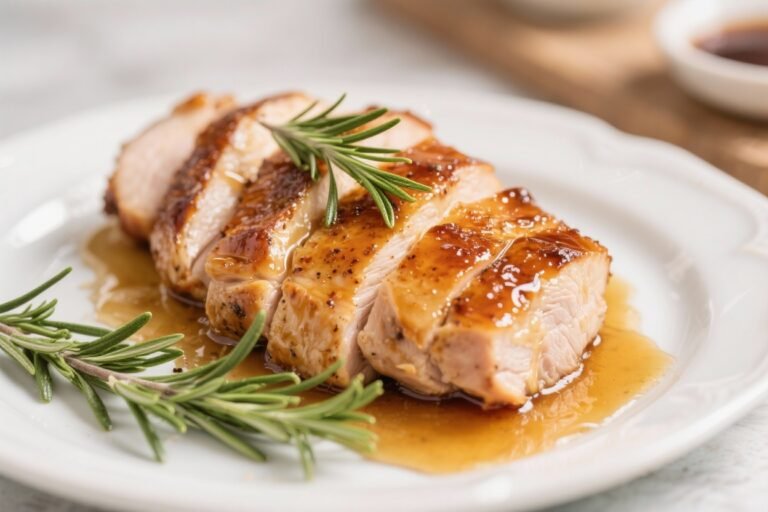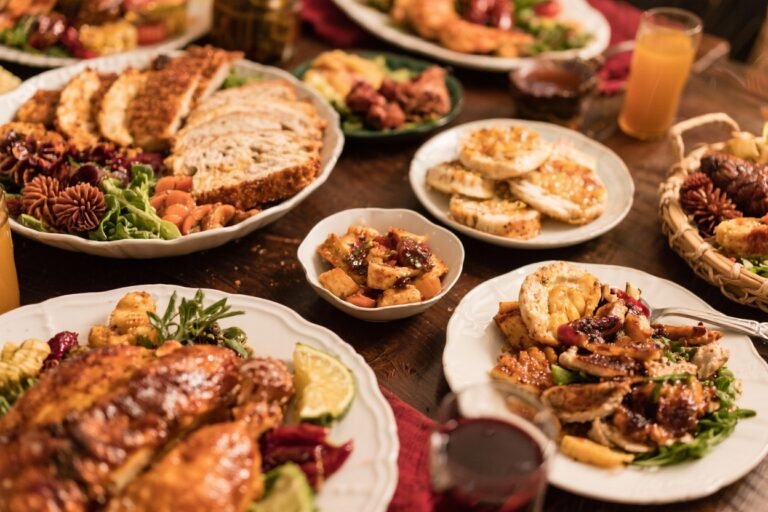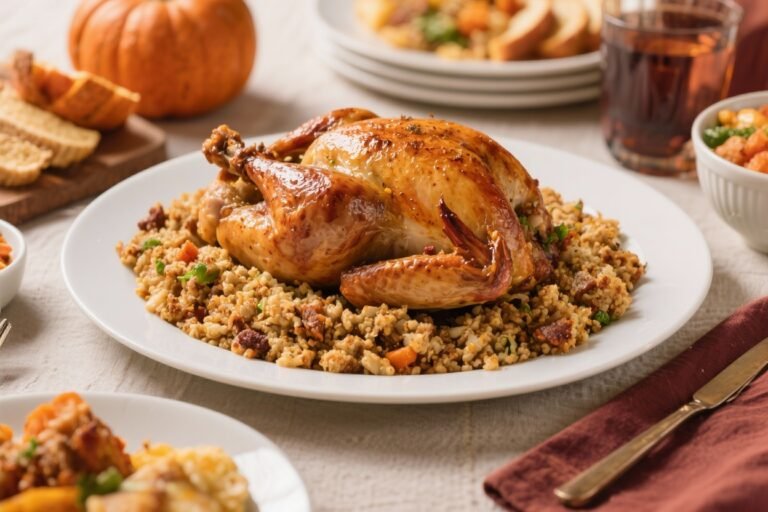

Roast Turkey with Garlic Herb Butter – Your Ultimate Friendsgiving Feast
A great roast turkey isn’t tricky—it just needs a little care and the right flavor base. This version leans on garlic herb butter for juicy meat and shatter-crisp skin. It’s simple, fragrant, and makes your whole kitchen smell like the holidays.
Whether it’s your first turkey or your tenth, this method gives you confidence and consistent results. Expect tender meat, savory pan drippings, and happy guests.
What Makes This Roast Turkey Recipe So Good
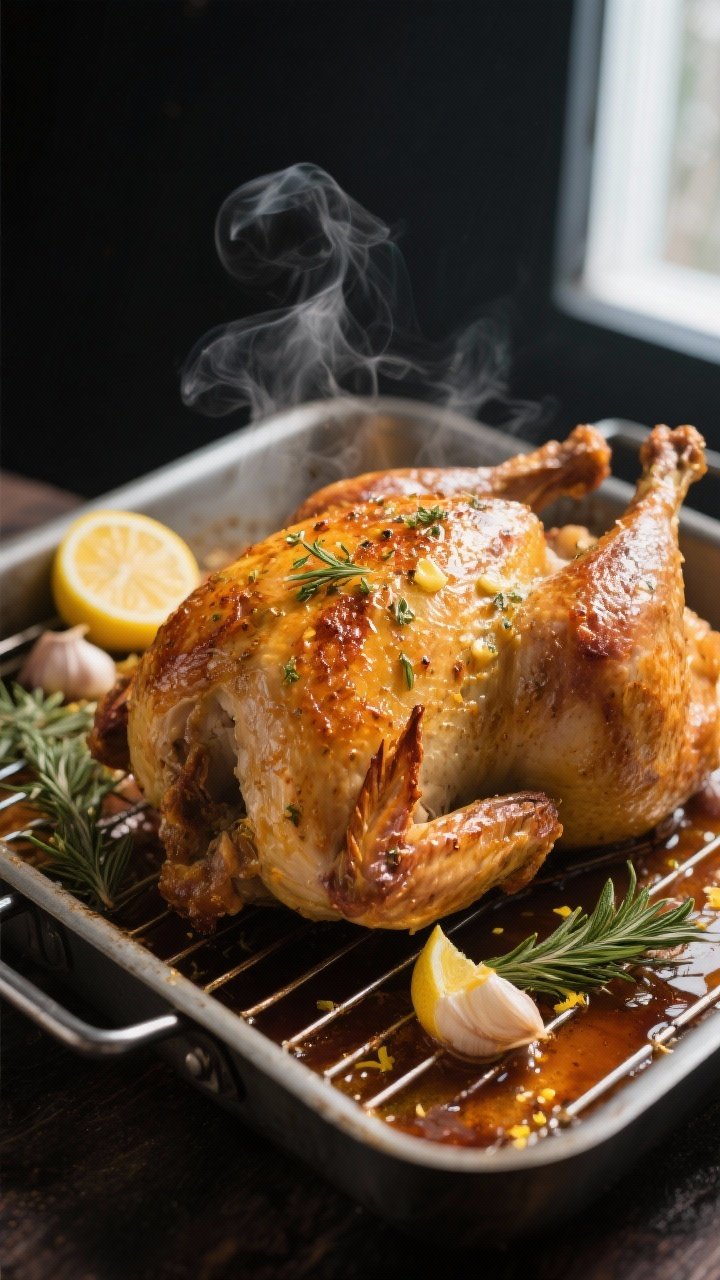
- Garlic herb butter under the skin: Gets flavor directly into the meat and locks in moisture.
- High-then-lower roasting temperature: Starts the skin crisping, then gently cooks the turkey through.
- Drying the skin: Even a quick pat dry helps the skin brown beautifully.
- Simple aromatics: Onion, lemon, and herbs add depth without complicating the recipe.
- Reliable doneness: A thermometer takes out the guesswork, so you don’t overcook.
What You’ll Need for this Roast Turkey
- 1 whole turkey (12–14 pounds), thawed if frozen
- 1 cup (2 sticks) unsalted butter, softened
- 6–8 garlic cloves, finely minced or grated
- 2 tablespoons fresh rosemary, finely chopped
- 2 tablespoons fresh thyme, finely chopped
- 2 tablespoons fresh parsley, finely chopped
- 1 tablespoon fresh sage, finely chopped (optional but great)
- 1 tablespoon kosher salt (plus extra for seasoning turkey)
- 1 teaspoon black pepper, freshly ground
- 1–2 tablespoons lemon zest
- 2 tablespoons olive oil
- 1 onion, quartered
- 1 lemon, halved
- 1 head of garlic, halved crosswise
- Fresh herb sprigs (thyme, rosemary, sage)
- 2–3 cups low-sodium chicken or turkey stock (for the pan)
- Kitchen twine for trussing
- Optional for gravy: 3 tablespoons flour and extra stock
Step-by-Step Instructions
- Prep the turkey: Make sure your turkey is fully thawed. Remove the giblets and neck from the cavity.Pat the turkey very dry with paper towels, inside and out. Let it sit at room temperature for 45–60 minutes to take the chill off; this helps it cook evenly.
- Make the garlic herb butter: In a bowl, combine softened butter, minced garlic, chopped rosemary, thyme, parsley, sage (if using), lemon zest, 1 tablespoon kosher salt, and black pepper. Mix until evenly blended.
- Season the cavity: Sprinkle a pinch of salt and pepper into the cavity.Stuff it with the onion, lemon halves, halved head of garlic, and a few herb sprigs. Don’t pack it too tightly—airflow matters.
- Loosen the skin: Gently slide your fingers under the skin over the breasts to create a pocket without tearing it. Do the same over the thighs if you can reach.
- Butter under the skin: Spread about half of the garlic herb butter under the skin, focusing on the breast meat and the top of the thighs.Use your hands to push it around so it’s evenly distributed.
- Butter the exterior: Rub the remaining butter all over the outside of the turkey. Drizzle and rub with olive oil to help browning. Sprinkle the exterior generously with salt and a bit more pepper.
- Truss lightly: Tie the legs together with kitchen twine and tuck the wing tips under the body to prevent burning.
- Set up the roasting pan: Place a rack in a large roasting pan.Pour 2 cups of stock into the pan. Set the turkey breast-side up on the rack.
- Roast hot to start: Preheat your oven to 450°F (230°C). Roast the turkey at this high heat for 20–30 minutes until the skin starts to turn golden.
- Lower the heat: Reduce the oven to 325°F (165°C).Tent the breast loosely with foil if it’s browning too quickly. Continue roasting, adding more stock to the pan as needed so the drippings don’t burn.
- Cook time and temperature: Plan for about 13–15 minutes per pound total, but rely on your thermometer. The turkey is done when the thickest part of the thigh reaches 165°F (74°C) and the breast reads 160°F (71°C).The temperature will rise a few degrees as it rests.
- Rest the turkey: Transfer the turkey to a cutting board, tent loosely with foil, and rest for at least 30 minutes. This keeps the juices in the meat.
- Make a quick pan gravy (optional): Skim excess fat from the pan drippings, leaving about 3 tablespoons. Place the pan over medium heat.Whisk in 3 tablespoons flour and cook 1–2 minutes. Slowly whisk in 2–3 cups warm stock until smooth and at your desired thickness. Season with salt and pepper.
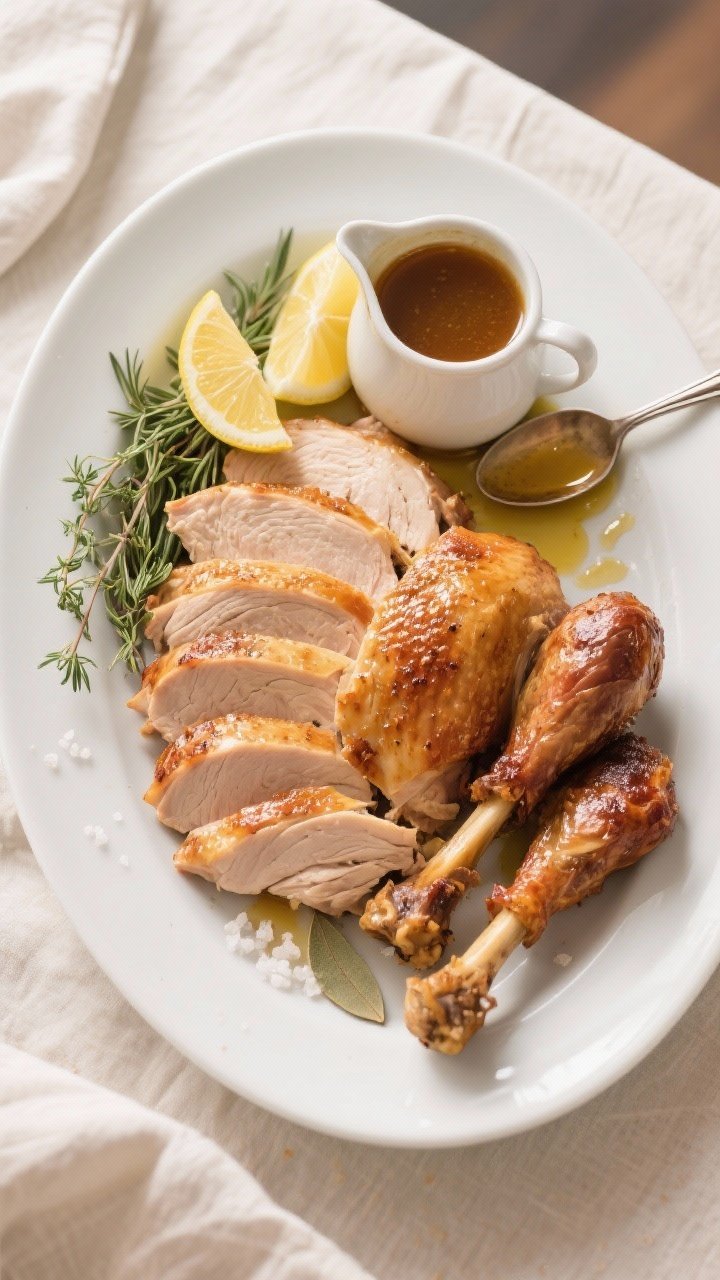
- Carve and serve: Remove the legs and thighs, then the breasts.Slice across the grain. Serve with gravy and your favorite sides.
Keeping the Roast Turkey Fresh
- Resting is non-negotiable: It keeps the meat juicy and easier to carve.
- Storing leftovers: Cool and refrigerate within 2 hours. Keep slices in shallow containers with a little broth or gravy to prevent drying.Use within 3–4 days.
- Freezing: Freeze sliced turkey in airtight bags with a splash of stock for up to 3 months. Thaw overnight in the fridge.
- Reheating: Warm gently, covered, at 300°F with a bit of broth until heated through. Avoid microwaving on high—it can toughen the meat.
Why This Roast Turkey Recipe is Good for You
- Lean protein: Roast Turkey breast is a lean source of protein that supports muscle and satiety.
- Healthy fats in balance: Butter adds flavor and helps nutrient absorption.You can control the amount you use.
- Herbs and garlic: Fresh herbs and garlic bring antioxidants and bold flavor without extra sodium.
- Customizable: You can reduce butter, skip the skin, or use low-sodium stock to fit your goals.
Pitfalls to Watch Out For
- Starting with a partially frozen bird: It cooks unevenly. Confirm it’s fully thawed—about 24 hours per 4–5 pounds in the fridge.
- Skipping the pat-dry step: Wet skin won’t crisp. Dry it well before buttering.
- Overstuffing the cavity: Tight packing slows cooking and can lead to underdone sections.
- Not using a thermometer: Guessing invites dry or undercooked meat.A reliable instant-read is essential.
- Carving too soon: If you cut immediately, the juices run out. Rest for at least 30 minutes.
Recipe Variations of this Roast Turkey
- Citrus and fennel: Add orange zest to the butter and stuff the cavity with sliced fennel and orange.
- Smoky paprika twist: Mix 1–2 teaspoons smoked paprika into the butter for a deeper color and warm flavor.
- Maple herb glaze: Brush a mix of 2 tablespoons maple syrup and 1 tablespoon Dijon over the turkey during the last 20 minutes.
- Garlic confit butter: Swap raw garlic for mashed garlic confit for a sweeter, mellow taste.
- Compound butter under the skin only: For a lighter finish, use most of the butter under the skin and just a thin film on the outside.
- Dry brine overnight: The day before, rub 1.5–2 tablespoons kosher salt all over the turkey and refrigerate uncovered. Pat dry, then proceed with the butter.This boosts flavor and crispness.
FAQ
How long should I thaw a frozen turkey?
Plan on about 24 hours of fridge thawing for every 4–5 pounds. A 12-pound turkey needs roughly 3 days. Keep it in a rimmed pan to catch drips.
Do I need to baste?
You don’t have to.
The herb butter keeps the meat moist. If you like basting, do it a couple of times during the last hour, but open the oven briefly to avoid losing too much heat.
What if the skin is browning too fast?
Tent the breast with foil. Keep the foil loose so steam doesn’t make the skin soggy.
Remove the foil for the last 15 minutes if you want extra color.
Can I dry brine and still use the garlic herb butter?
Yes. Dry brine the day before, then skip additional salt in the butter or reduce it. The flavors layer beautifully.
How do I know it’s fully cooked?
Use an instant-read thermometer.
You want 165°F in the thickest part of the thigh and around 160°F in the thickest part of the breast. Resting will finish the job.
Can I cook stuffing inside the turkey?
It’s safer and more reliable to bake stuffing in a separate dish. If you do stuff the bird, ensure the stuffing center reaches 165°F, but be aware this may overcook the meat.
What can I do with leftovers?
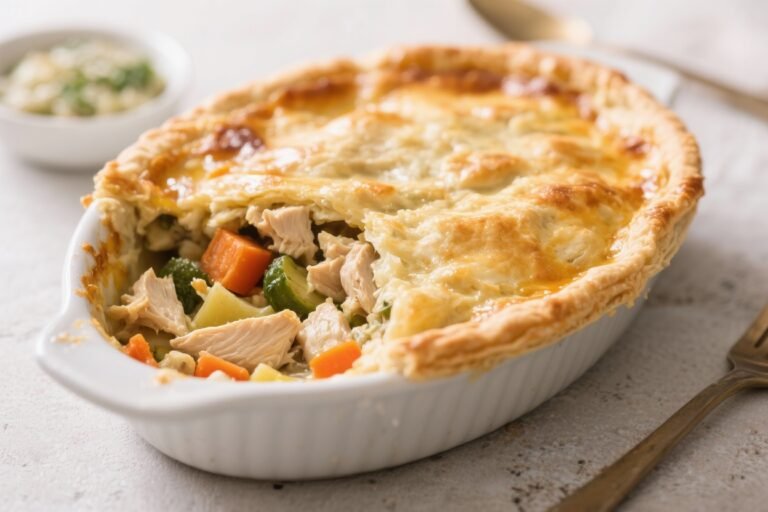
Make sandwiches, turkey salad, pot pie, or a soothing soup with the carcass and leftover herbs.
Don’t forget to save the drippings for gravy or sauces.
In Conclusion
Roast Turkey with Garlic Herb Butter delivers classic flavor with an easy, smart method. You get crisp skin, juicy meat, and pan drippings that make a stellar gravy. With a few practical steps—drying the skin, using a thermometer, and letting it rest—you’ll serve a turkey worth remembering.
Keep it simple, let the herbs shine, and enjoy the feast.

Hi, I’m Hannah — the food lover behind Every Day Quick Meals! I’m all about making cooking simple, joyful, and stress-free. Between work, life, and a million to-dos, I know how hard it can be to find time for homemade food. That’s why I create quick, tasty recipes that anyone can make — no fancy skills required. My kitchen motto? Good food doesn’t need to be complicated — just made with love.