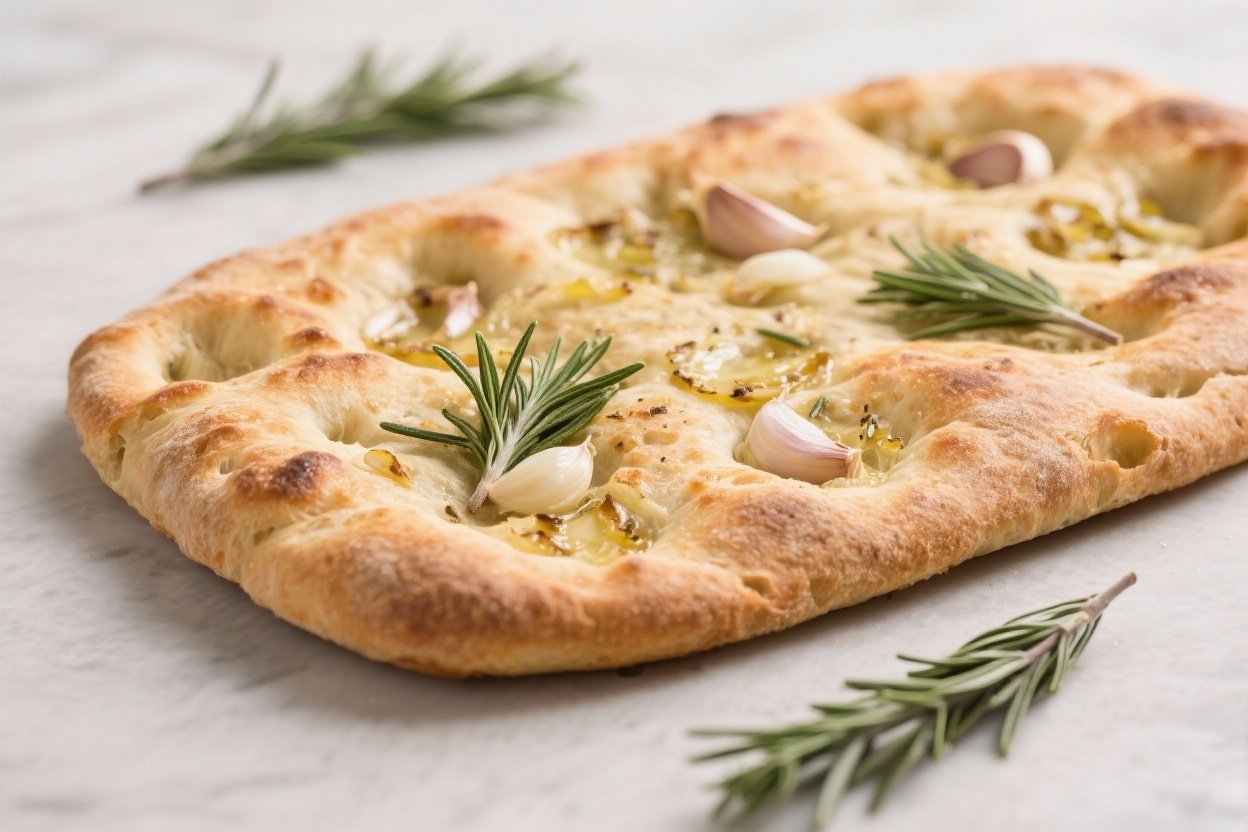
Sourdough Focaccia with Rosemary and Garlic: The Crispy-Edged, Olive-Oil-Soaked Bread You’ll Brag About
Forget complicated bakery secrets. This is the kind of bread that makes your kitchen smell like you meant to do that. Golden top, airy crumb, and enough olive oil to make an Italian nonna nod in approval.
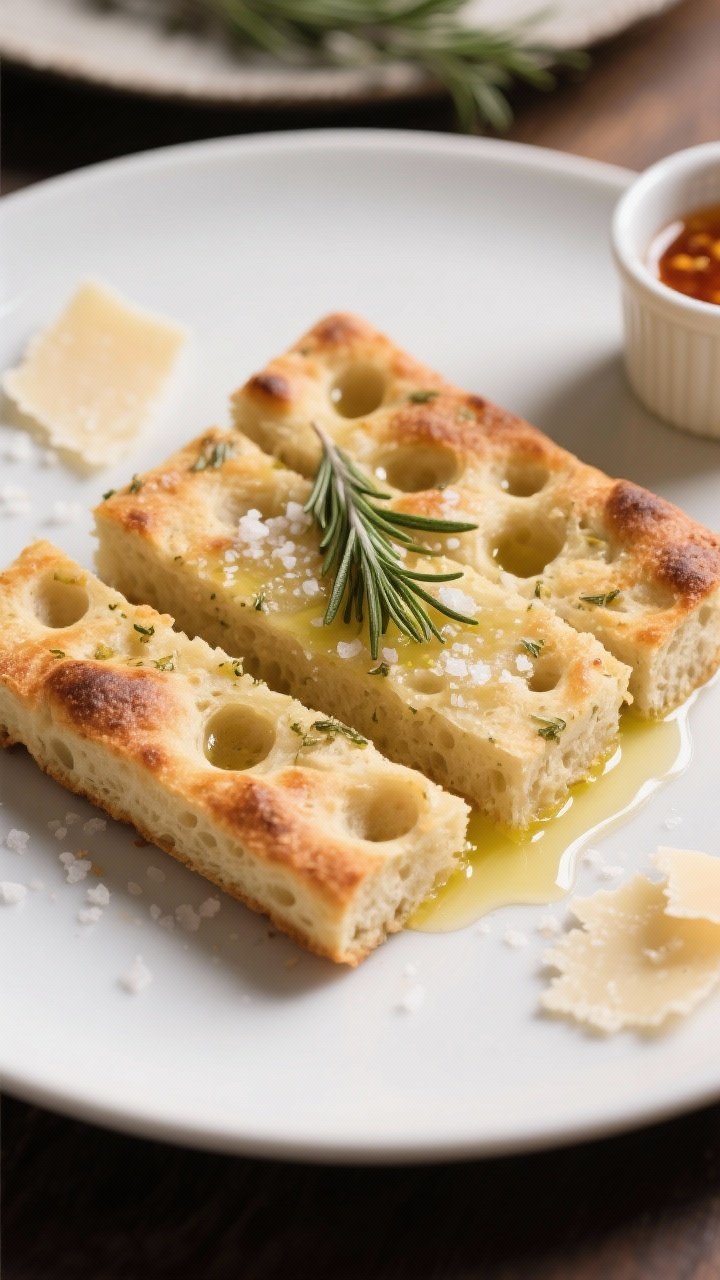
We’re talking crisp edges you can hear and pillowy centers you can tear. If your sourdough starter needs a win, this focaccia is it—high impact, low stress, and guaranteed to disappear faster than you planned.
Why You’ll Love This Recipe
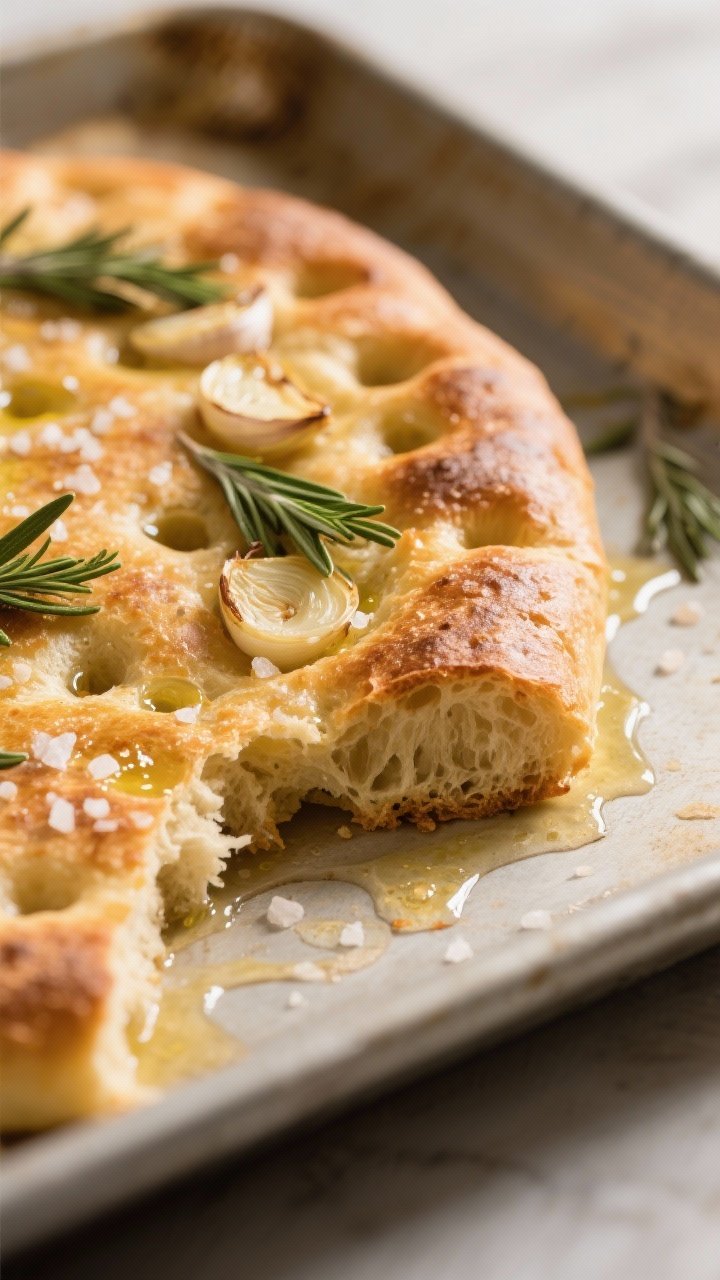
- Ridiculously good texture: Shattering crust, cloud-like interior, big beautiful bubbles. That’s the sourdough flex.
- Flavor that hits hard: Fresh rosemary, roasted garlic, and fruity olive oil—simple, bold, timeless.
- Flexible timeline: Make it same day or cold proof overnight for a deeper, tangier flavor.
- Beginner-friendly technique: No stand mixer required.
Stretch-and-folds do the heavy lifting.
- Endlessly customizable: Swap toppings, change herbs, play with hydration. It’s your focaccia now.
Shopping List – Ingredients
- Active sourdough starter: 120 g (100% hydration), bubbly and doubled
- Bread flour: 500 g (all-purpose works, but bread flour = better chew)
- Water: 375–400 g, lukewarm (higher end for airier crumb)
- Fine sea salt: 10 g
- Extra-virgin olive oil: 60–80 ml, plus more for pan and finishing
- Fresh rosemary: 2–3 sprigs, leaves stripped and roughly chopped
- Garlic: 4–6 cloves, thinly sliced
- Flaky salt: for finishing
Step-by-Step Instructions
- Mix the dough: In a large bowl, whisk 375 g water with the starter until milky. Add flour and salt.
Stir with a spatula until no dry bits remain. The dough will be shaggy and sticky—perfect.
- Rest (autolyse-ish): Cover and rest 20–30 minutes. This hydrates flour, boosts gluten, and makes your life easier.
- First folds: Wet your hand and perform 8–10 stretch-and-folds around the bowl.
Drizzle in 1 tablespoon olive oil and fold it in.
- Bulk ferment: Over 2–3 hours at room temp (75°F/24°C ideal), do 3–4 rounds of folds every 30 minutes. The dough should become smoother, puffier, and more elastic. If it’s sluggish, extend bulk slightly.
- Pan prep: Generously oil a 9×13-inch pan (or two 8–9-inch round pans).
Add 2–3 tablespoons olive oil—you want that shallow oil bath for crunchy edges.
- Pan the dough: Tip dough into the pan, gently turning to coat in oil. Rest 20 minutes, then coax it toward the corners with wet or oiled fingers. Don’t force it; gluten needs time.
- Second rise: Cover and proof 1–2 hours at room temp, or refrigerate 8–18 hours for an overnight cold proof.
You’re looking for a puffy, jiggly dough that has risen by ~50%.
- Prep toppings: Mix rosemary and garlic with 1–2 tablespoons olive oil. This protects the garlic from burning and infuses the oil. FYI, sliced garlic > minced (less scorch risk).
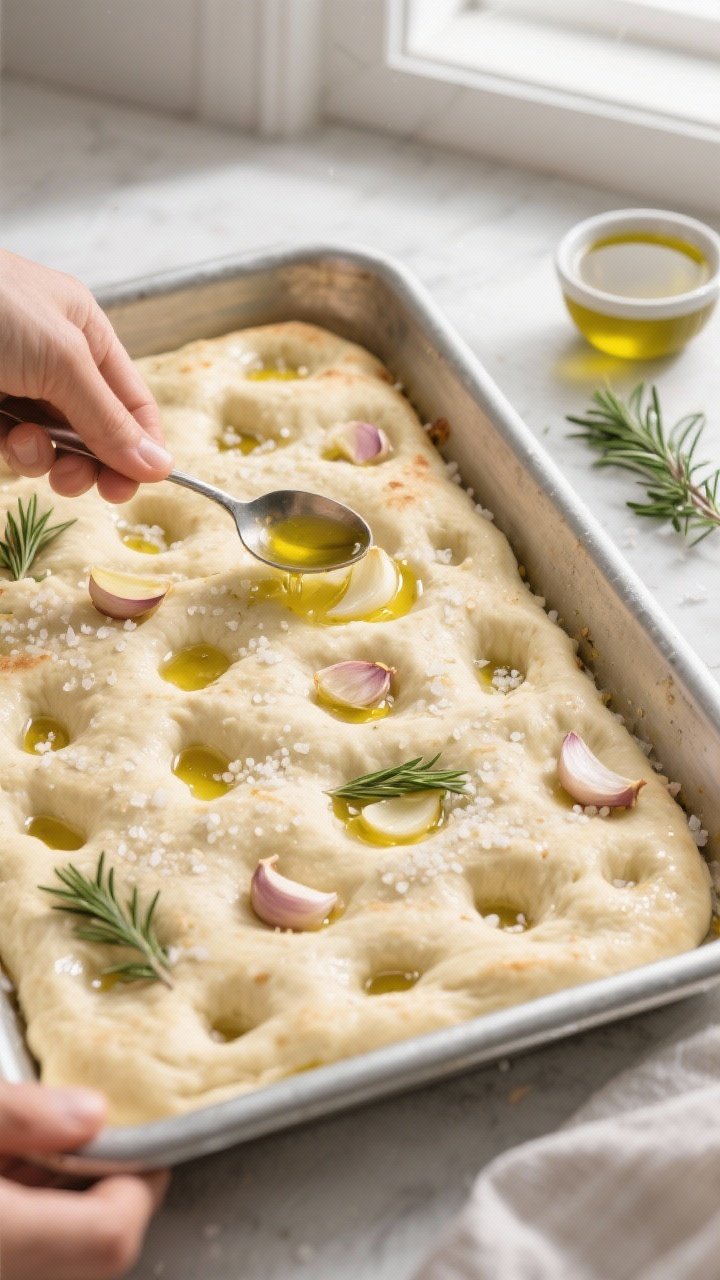
- Dimple and dress: Preheat oven to 450°F (232°C).
With oiled fingers, press deep dimples across the dough. Spoon on the rosemary-garlic oil, tucking slices into dimples. Sprinkle flaky salt.
- Bake: Bake 22–28 minutes on the middle rack until deep golden with crisp edges.
If tops brown too fast, tent loosely with foil for the last 5 minutes.
- Finish strong: Brush or drizzle with more olive oil while hot. Cool 10–15 minutes before slicing so the crumb sets. Resist the urge to attack it immediately.
Or don’t—your call.


As an Amazon Associate, I earn from qualifying purchases.
Keeping It Fresh
Short term: Store at room temp in a paper bag or loosely wrapped for 1–2 days. The crust stays crisper this way.
Longer term: Freeze slices in a zip bag with parchment between pieces for up to 2 months. Reheat from frozen at 350°F (175°C) for 8–10 minutes.
Revive day-old: Sprinkle with a little water, then toast in a hot oven or skillet with a teaspoon of olive oil.
Instant glow-up.
Nutritional Perks
- Sourdough digestion: Natural fermentation can make gluten-based breads easier to digest for many people.
- Better flavor, fewer additives: Real ingredients, no weird preservatives, big taste.
- Healthy fats: Extra-virgin olive oil brings monounsaturated fats and polyphenols. Your taste buds and heart both win.
- Smart carbs: Paired with protein (cheese, beans, chicken), it’s a satisfying, balanced snack or side.
Don’t Make These Errors
- Using sleepy starter: If your starter isn’t bubbly and active, your focaccia will be dense. Feed it and wait until it doubles.
- Under-oiling the pan: That crisp, lacy bottom needs oil.
Don’t be shy.
- Rushing the rise: Puffy and jiggly is the goal. If it’s still tight and springy, give it more time.
- Burning the garlic: Always coat in oil and tuck into dimples. If your oven runs hot, add garlic halfway through.
- Skimping on salt: Dough needs salt for flavor, and finishing salt for pop.
Bland bread is a crime.
Variations You Can Try
- Tomato + Basil: Halved cherry tomatoes, basil ribbons post-bake, and a balsamic drizzle.
- Olive + Lemon Zest: Kalamata slices with thin strips of lemon zest for brightness.
- Caramelized Onion + Thyme: Sweet, jammy onions meet herby perfume. Unreal with goat cheese.
- Everything Bagel Focaccia: Swap rosemary/garlic for everything seasoning and a brush of egg wash on top.
- Cheesy Edges: Sprinkle grated Parmesan around the pan edges before baking for frico-like crunch.
- Spicy Honey Finish: Drizzle hot honey right after baking. Sweet-heat meets savory—chef’s kiss.
FAQ
Can I use all-purpose flour instead of bread flour?
Yes.
All-purpose will yield a slightly softer crumb with smaller bubbles, but it still works great. If using AP, start with 370–380 g water and increase as needed to keep the dough tacky.
How do I know when bulk fermentation is done?
Look for a 40–60% rise, a domed top, visible bubbles, and dough that feels airy and stretchy. It should jiggle when you shake the bowl.
If it’s sluggish, extend bulk or move to a warmer spot.
What if my kitchen is cold?
Use slightly warmer water (not hot), place the bowl in your oven with the light on, or set it near a warm appliance. Cold-proof overnight for convenience and flavor if timing is tight.
Can I make this same day?
Absolutely. With an active starter and a warm room, you can mix in the morning and bake by late afternoon.
Overnight proofing adds tang, but same-day is killer too.
How do I keep the bottom from getting soggy?
Preheat fully, use a metal pan, and don’t underbake. For extra crunch, place the pan on a preheated baking steel or stone for the first 10 minutes. Also, cool on a rack so steam escapes.
Is it okay to add toppings like mozzarella before baking?
Soft cheeses can weep moisture and soften the crust.
If using, add in the last 5–7 minutes, or scatter post-bake. Hard cheeses like Parmesan are safer to bake from the start.
Can I scale the recipe?
Yes. For a half-sheet pan, increase everything by about 1.5x.
Keep hydration similar and watch proofing cues rather than the clock—larger doughs may need a bit more time.
What’s the best oil to use?
High-quality extra-virgin olive oil for flavor. If you’re out, a neutral oil works for the pan, but EVOO on top is non-negotiable IMO.
In Conclusion
This Sourdough Focaccia with Rosemary and Garlic is the kind of bread that turns “what’s for dinner?” into “do we have more?” It’s simple, dramatic, and wildly satisfying—crisp where it counts, soft where it should be. Keep your starter lively, be generous with oil, and trust the dough’s cues.
Make it once, and it’ll become your signature party trick—no apology letters to the bakery required.
Printable Recipe Card
Want just the essential recipe details without scrolling through the article? Get our printable recipe card with just the ingredients and instructions.

Hi, I’m Hannah — the food lover behind Every Day Quick Meals! I’m all about making cooking simple, joyful, and stress-free. Between work, life, and a million to-dos, I know how hard it can be to find time for homemade food. That’s why I create quick, tasty recipes that anyone can make — no fancy skills required. My kitchen motto? Good food doesn’t need to be complicated — just made with love.